Lens Implant Surgery in Gangnam: ICL Procedure and Recovery Time
Lens Implant Surgery in Gangnam: ICL Procedure and Recovery Time
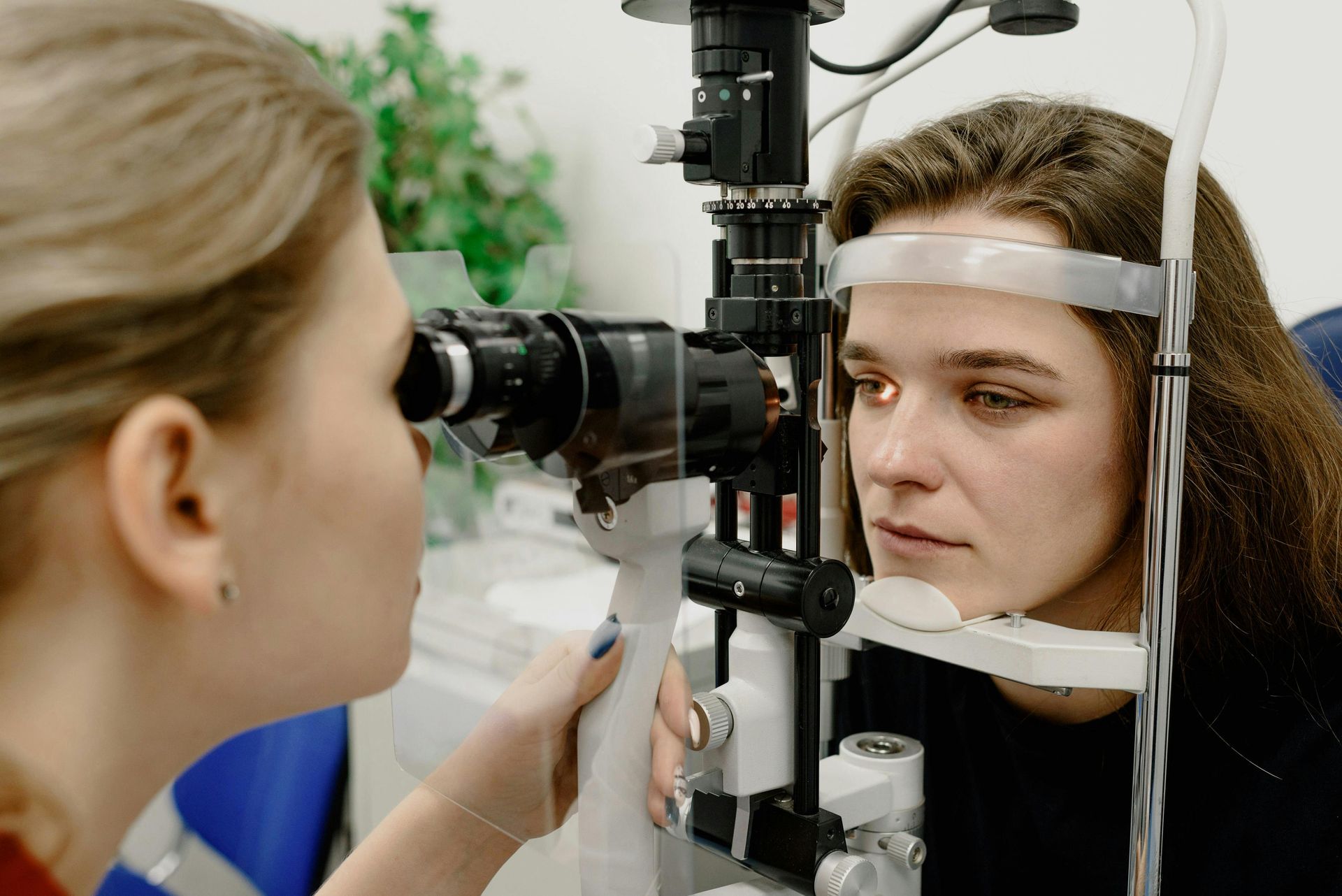
If you’re considering ICL (Implantable Collamer Lens) surgery in Gangnam, Seoul for high myopia or other refractive errors, understanding the procedure and recovery timeline is essential for planning your trip and managing expectations.
This guide breaks down what happens before, during, and after the ICL procedure — clearly and simply.
What Is ICL (Implantable Collamer Lens) Surgery?
ICL surgery involves placing a thin, biocompatible lens inside your eye — specifically in the space between the iris (colored part) and your natural lens. Unlike LASIK or SMILE, this procedure does not reshape the cornea. Instead, the implanted lens corrects your refractive error from within.
Because the natural cornea remains untouched, ICL is often recommended for:
- High myopia (severe nearsightedness)
- Thin corneas
- Patients with dry eye issues
- Those who want a reversible option (the lens can be removed or exchanged)
Pre-Operative Steps
Before your procedure, you’ll undergo a series of precise tests to ensure safety and suitability. These typically include:
- Corneal shape and thickness measurement
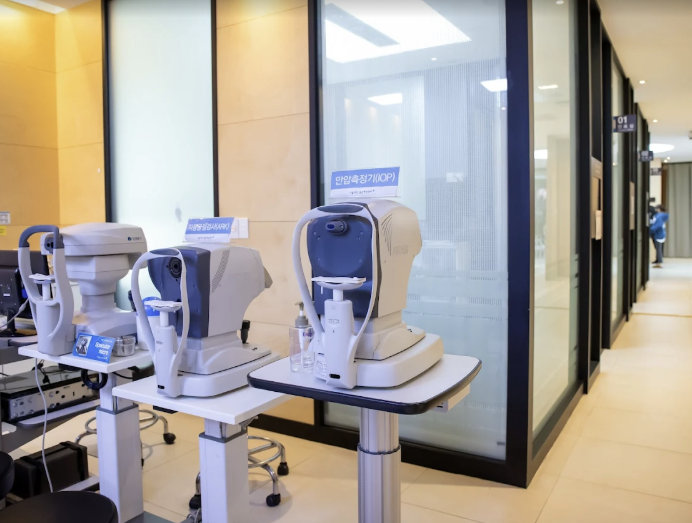
- Eye pressure evaluation
- Anterior chamber depth check
- Pupil size assessment
- Detailed refraction testing
These tests help the surgeon determine the exact ICL size and power you need.
The ICL Procedure (What to Expect)
1. Arrival and Preparation
You’ll arrive at the clinic, complete initial checks, and receive numbing drops. The surgery is usually done under local or topical anesthesia — you’re awake but comfortable.
2. Small Incision
A tiny incision (less than a few millimeters) is made at the front of the eye.
3. Lens Insertion
The soft collamer lens is inserted through the incision and positioned behind the iris and in front of your natural lens.
4. Finishing Up
No stitches are usually needed thanks to the small incision. You’ll rest briefly before discharge.
Duration: About 10–15 minutes per eye
Pain level: Minimal, most patients report only mild pressure or pinching sensations
Immediate Post-Op Period
After the surgery, you’ll stay at the clinic for a short observation period. Vision often improves quickly — sometimes within hours — but may fluctuate slightly as your eyes adjust.
You’ll go home with:
- Protective eye shield (optional)
- Prescribed eye drops (antibiotic, anti-inflammatory)
- Instructions to avoid strenuous activity
Recovery Timeline
Day 1
- Vision: Noticeable improvement, though clarity may still vary
- Sensation: Mild foreign body feeling possible
- Activity: Rest eyes; avoid screens and eye rubbing
Day 2–3
- Vision: Becomes more stable and comfortable
- Sensitivity: Light sensitivity decreases
- Activity: Most daily activities resume with caution
Day 4–7
- Vision: Much clearer; daily tasks become easier
- Comfort: Discomfort fades significantly
- Recommended: Avoid swimming, dusty areas, and heavy exercise
2–4 Weeks
- Healing: Internal eye tissues stabilize
- Vision: Final clarity continues to settle
- Normal life: Most activities allowed
1–3 Months
- Full adaptation: Vision finalizes and any minor fluctuations resolve
- Follow-ups: Some patients have final check-ups during this period
Every patient heals differently, but most ICL patients experience rapid visual improvement with minimal downtime.
What Makes ICL Different from Laser Procedures?
Preservation of Corneal Tissue
ICL doesn’t reshape the cornea, so it’s ideal if your corneas aren’t thick enough for LASIK or SMILE.
Reversibility
The implanted lenses can be removed or replaced later in life if prescriptions change.
Dry Eye Friendly
Laser surgeries can exacerbate dry eye symptoms; ICL has less impact on tear production.
Stable Long-Term Vision
Excellent predictability and quality of vision, even for high prescriptions.
Aftercare and Follow-Up
Proper aftercare helps ensure the best outcome:
- Use all prescribed eye drops
- Avoid rubbing your eyes
- Protect eyes from dust and direct sunlight
- Attend all scheduled follow-ups (remote or in-person)
Your surgeon will determine the exact follow-up schedule, which could include visits at:
- Day 1
- Day 3–7
- 1 month
- 3 months
International patients often return home after the Day 3–7 check, then follow up with remote guidance.
When Can You Fly Home?
ICL recovery is gentle and quick compared to many eye surgeries. Many international patients return home within 3–5 days, but some choose to extend their stay slightly for comfort and post-op checks.
Your surgeon will advise on clearance to fly, usually once the early post-op check is complete and your eyes are comfortable.
Final Thoughts
ICL surgery in Gangnam offers:
- Fast visual improvement
- Minimal discomfort
- High satisfaction
- Reliable outcomes for high myopia
Whether you’re traveling from abroad or living in Korea, understanding the procedure and recovery timeline helps you plan your visit and feel confident in your choice.