ICL vs SMILE in Korea: Which Is Better for High Myopia Cost-Wise?
ICL vs SMILE in Korea: Which Is Better for High Myopia Cost-Wise?
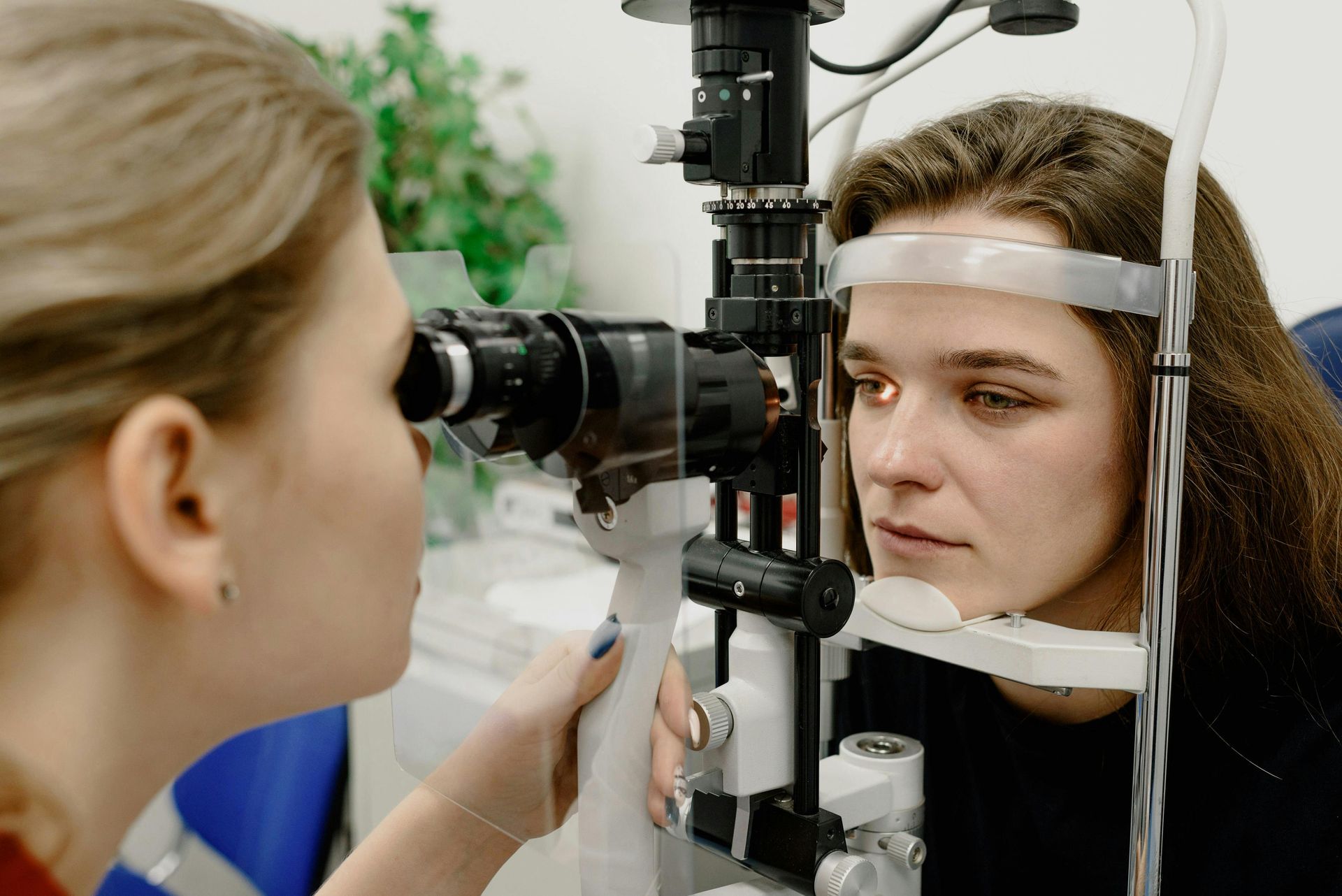
If you have high myopia and are considering vision correction in Korea, two of the most common options are ICL (Implantable Collamer Lens) and SMILE LASIK. Both deliver excellent vision outcomes, but they differ significantly in cost, suitability, and long-term value.
Here’s a clear, copy-ready comparison so you can decide which option is better cost-wise for high myopia.
1. Typical Procedure Costs in Korea
SMILE LASIK
- Both eyes: ₩2,000,000 – ₩3,500,000 KRW
(~$1,500 – $2,600 USD)
SMILE is a laser procedure with a small incision and fast recovery.
ICL (Implantable Collamer Lens)
- Both eyes: ₩7,000,000 – ₩12,000,000 KRW
(~$5,200 – $9,200 USD)
ICL is an intraocular lens placed inside the eye, delivering premium vision correction.
👉
Clear cost conclusion:
ICL costs significantly more than SMILE upfront — typically 2–4× the price.
2. Who SMILE Is Best For (Cost-Effective Option)
SMILE may be the better cost-wise choice if:
✔ Your prescription is high but still within SMILE’s safe correction range
✔ You have healthy corneal thickness
✔ You want fast recovery and minimal downtime
✔ You prefer surgery without implants
Why SMILE is cost-effective:
- Lower upfront price
- Fast travel recovery (often 3–4 days)
- Less time off work
- Minimal follow-up needs
For many patients with moderate high myopia, SMILE delivers excellent vision at a lower total cost.
3. Who ICL Is Worth the Higher Cost
ICL may be more cost-worthwhile if:
✔ Your myopia is
very high (e.g., stronger than −8.00 D)
✔ Your corneas are
thin or irregular
✔ SMILE would remove too much corneal tissue
✔ You want the most predictable outcome for extreme prescriptions
Why ICL is worth the cost for high myopia:
- Superior correction range beyond typical laser limits
- Corneal tissue is preserved
- Lower chance of needing enhancement
- Vision quality tends to be consistent and stable
Even though ICL costs more initially, many high myopia patients avoid the extra cost of enhancements that can happen after laser surgery.
4. Value Comparison (Cost vs Long-Term Results)
SMILE
✔ Lower upfront cost
✔ Short recovery
✔ Excellent for many myopia cases
✔ Limited correction range
ICL
✔ Higher upfront cost
✔ Exceptional for very high myopia
✔ Tissue preservation
✔ Less likelihood of enhancement
Key cost insight:
If SMILE corrects your prescription fully, it’s more cost-efficient upfront.
If SMILE would under-correct or require enhancement, the
total cost over time may approach or exceed ICL.
5. Travel & Recovery Costs (Value Consideration)
Because you’re likely traveling to Korea:
📌 SMILE
- Often completed within 3–4 days
- Quick recovery means lower hotel and time-away costs
📌 ICL
- Recovery is often similar in time, but follow-ups matter
- You may need a few more scheduled checkups
Even when travel costs are included, SMILE tends to be more budget-friendly overall.
6. Which Is Better Cost-Wise for High Myopia? Summary
Choose SMILE if:
✔ Your prescription is strong but within SMILE limits
✔ You want the
lowest total cost possible
✔ Your corneas are thick enough for laser reshaping
📌 Cost-wise winner for moderate high myopia
Choose ICL if:
✔ Your myopia is
very high or extreme
✔ You want the
most predictable long-term outcome
✔ You want to avoid potential enhancements
📌 Best long-term value for very high myopia
Final Thoughts
From a pure cost perspective, SMILE is more affordable for most patients and is often a smart choice if your eye measurements allow it.
However, for very high myopia, the long-term value of ICL can make it more cost-worthwhile — even though it costs more upfront.
The best way to decide is with a comprehensive pre-operative exam to see whether your prescription and corneas are well-suited for SMILE or ICL.