Cataract Surgery in Gangnam Advanced Technology and Pricing
Cataract Surgery in Gangnam Advanced Technology and Pricing
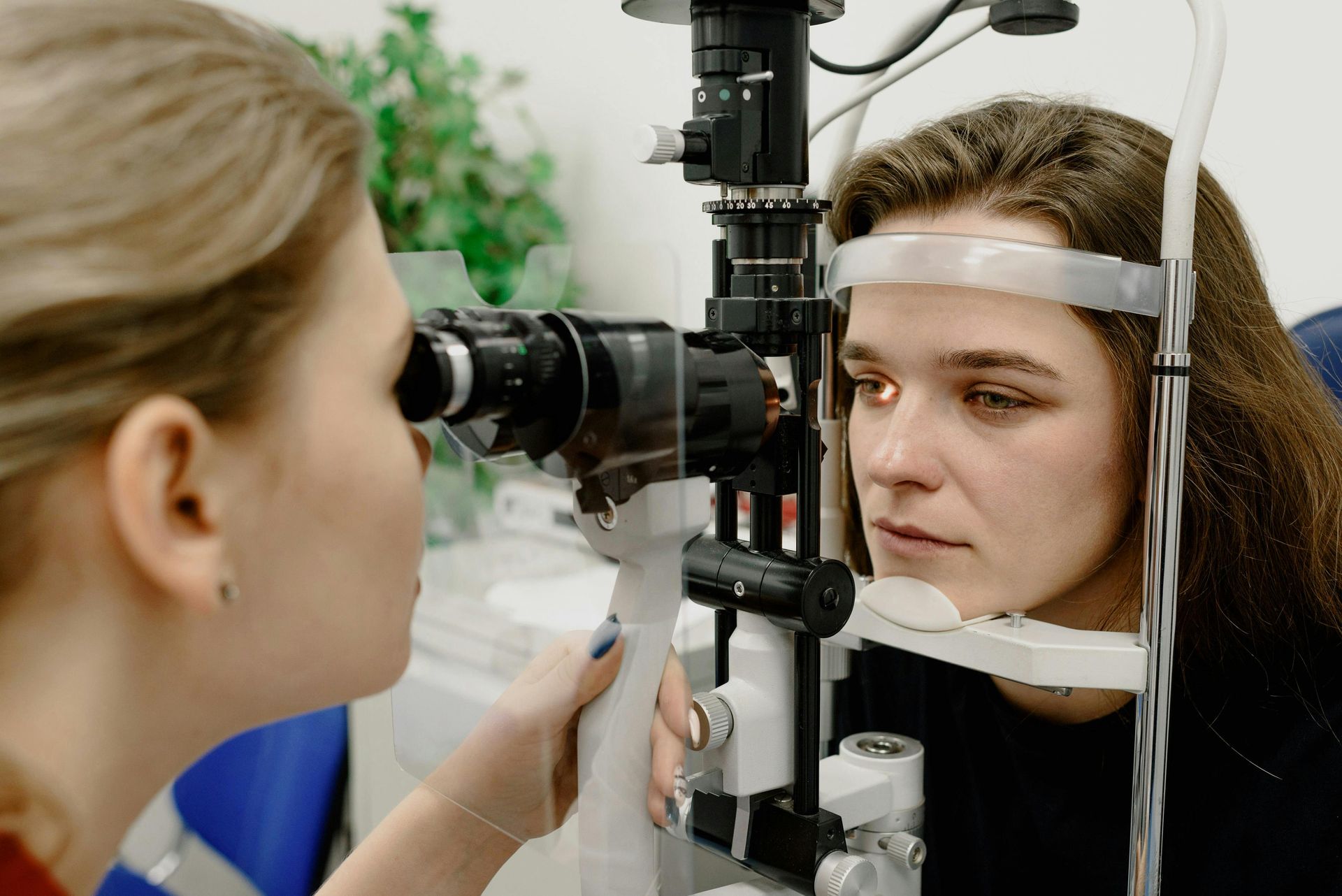
If you’re researching cataract treatment options — whether for yourself or a loved one — Gangnam, Seoul is one of Korea’s most advanced medical districts for ophthalmic care. Clinics and hospitals in this area offer cutting-edge technology, experienced surgeons, and personalized treatment plans. This guide explains the modern technologies used and typical pricing expectations in Gangnam for cataract surgery.
What Is Cataract Surgery?
Cataract surgery removes the eye’s cloudy natural lens and replaces it with an artificial intraocular lens (IOL) to restore clear vision. It is one of the most commonly performed and safest surgeries worldwide, transforming patients’ vision and quality of life.
In Gangnam, clinics use advanced surgical techniques and premium IOL options to maximize outcomes and visual comfort.
Advanced Technology Used in Gangnam
1. Femtosecond Laser–Assisted Cataract Surgery
Traditional cataract surgery uses handheld tools to make incisions and break up the lens. With femtosecond laser assistance, these steps are more precise and automated. Benefits can include:
- More accurate incisions
- Enhanced lens softening for easier removal
- Better reproducibility
- Improved alignment of premium lenses
This technology helps reduce surgical variability and can improve outcomes, especially for cases with astigmatism.
2. Premium Intraocular Lenses (IOLs)
Different IOL options give patients choices based on visual needs:
Monofocal IOLs (Standard)
- Focus at one distance (usually distance vision)
- Often most affordable option
- Glasses may be needed for reading or near tasks
Toric IOLs
- Correct astigmatism in addition to cataracts
- Reduces reliance on glasses for many patients
Multifocal / Extended Depth of Focus (EDOF) IOLs
- Provide clearer vision at multiple distances
- Can reduce the need for glasses for both near and far vision
- Excellent option for people who want a broader range of focus
Premium IOLs often require advanced measurements and careful surgical planning to optimize results.
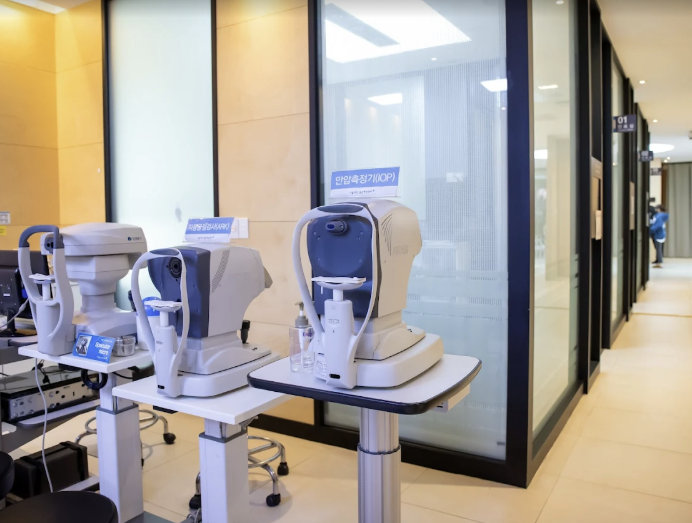
3. Ocular Imaging and Measurement Systems
Precise pre-operative measurement is critical in cataract surgery. Gangnam clinics typically use:
- Optical biometry (lens power calculation)
- Corneal topography
- Wavefront analysis
- Anterior segment imaging
These technologies help surgeons determine the best lens type and surgical strategy for each patient’s eyes.
4. Image-Guided and Digital Surgical Platforms
Some clinics use digital overlays, real-time imaging, and guidance systems that enhance precision during surgery — especially when placing toric lenses or calibrating for astigmatism.
Typical Pricing for Cataract Surgery in Gangnam
Cataract surgery cost varies widely depending on lens choice, hospital or clinic, and whether premium technology (like femtosecond laser) is used. Below are typical ranges:
Standard Monofocal IOL Package
- From approx. ₩2,000,000 – ₩3,500,000 per eye
This option focuses on restoring clear distance vision; glasses may still be needed for reading or near tasks.
Toric IOL Package (Astigmatism Correction)
- From approx. ₩3,000,000 – ₩5,000,000 per eye
Corrects both cataract and astigmatism, reducing dependency on glasses.
Multifocal / EDOF Premium IOL Package
- From approx. ₩4,000,000 – ₩7,000,000+ per eye
Offers broader focus range, potentially reducing the need for glasses at multiple distances.
Femtosecond Laser–Assisted Cataract Surgery Add-On
- Additional cost if chosen
The laser portion is often an add-on to IOL pricing and varies by clinic.
Total Expected Cost for both eyes:
- Standard: ₩4,000,000 – ₩7,000,000
- Premium options: ₩7,000,000 – ₩12,000,000+
Prices above are general ranges — actual quotes differ by clinic and the specific technologies you select.
What’s Typically Included
Most cataract surgery packages in Gangnam may include:
- Pre-operative diagnostics and measurements
- Surgeon’s fee
- Surgery and anesthesia
- IOL implants (as specified)
- Immediate post-operative care
- Follow-up exams (timeline varies)
Before you agree to surgery, confirm:
- Whether follow-up visits are included
- If medications are covered
- Whether premium technology fees are separate
- Any additional charges for astigmatism correction
Why Patients Choose Gangnam for Cataract Surgery
1. Medical Expertise
Ophthalmologists in this area often have extensive surgical experience and specialization in advanced lens implants.
2. Latest Technology
Clinics in Gangnam frequently adopt new imaging and laser technologies quickly.
3. Personalized Care
Detailed pre-surgery assessments guide IOL selection tailored to lifestyle needs.
4. International Patient Services
Many clinics provide English-friendly consultation and coordinated scheduling for travelers.
5. Comprehensive Aftercare
Follow-up care and instruction help optimize vision outcomes and comfort.
Recovery Expectations
Cataract surgery is typically outpatient and low-risk when performed by experienced surgeons. General recovery stages:
Day of Surgery
- Vision may be blurry, light sensitivity possible
- Eye shield and drops prescribed
First Few Days
- Steady improvement in vision
- Mild irritation or foreign body sensation possible
First Week
- Daily activities resume
- Driving possible once the doctor approves
4–6 Weeks
- Vision stabilizes
- Final prescription determined for glasses if needed
Premium lens patients often enjoy broader near and distance vision sooner.
Choosing the Right Technology for You
The best approach depends on your lifestyle and visual priorities:
- Standard monofocal: great distance vision with excellent safety and cost efficiency
- Toric: ideal if you also have astigmatism
- Multifocal / EDOF: excellent for patients who want to reduce glasses for reading and distance work
A full eye evaluation with an ophthalmologist will help determine your best option.
Final Thoughts
Cataract surgery in Gangnam combines advanced technology with highly experienced surgeons and personalized care. Whether you choose standard lenses or premium options like toric or multifocal implants, the goal is clear: restoring crisp, comfortable vision with minimal disruption to your daily life.