ICL Surgery Recovery Time What to Expect After Lens Implant
ICL Surgery Recovery Time What to Expect After Lens Implant
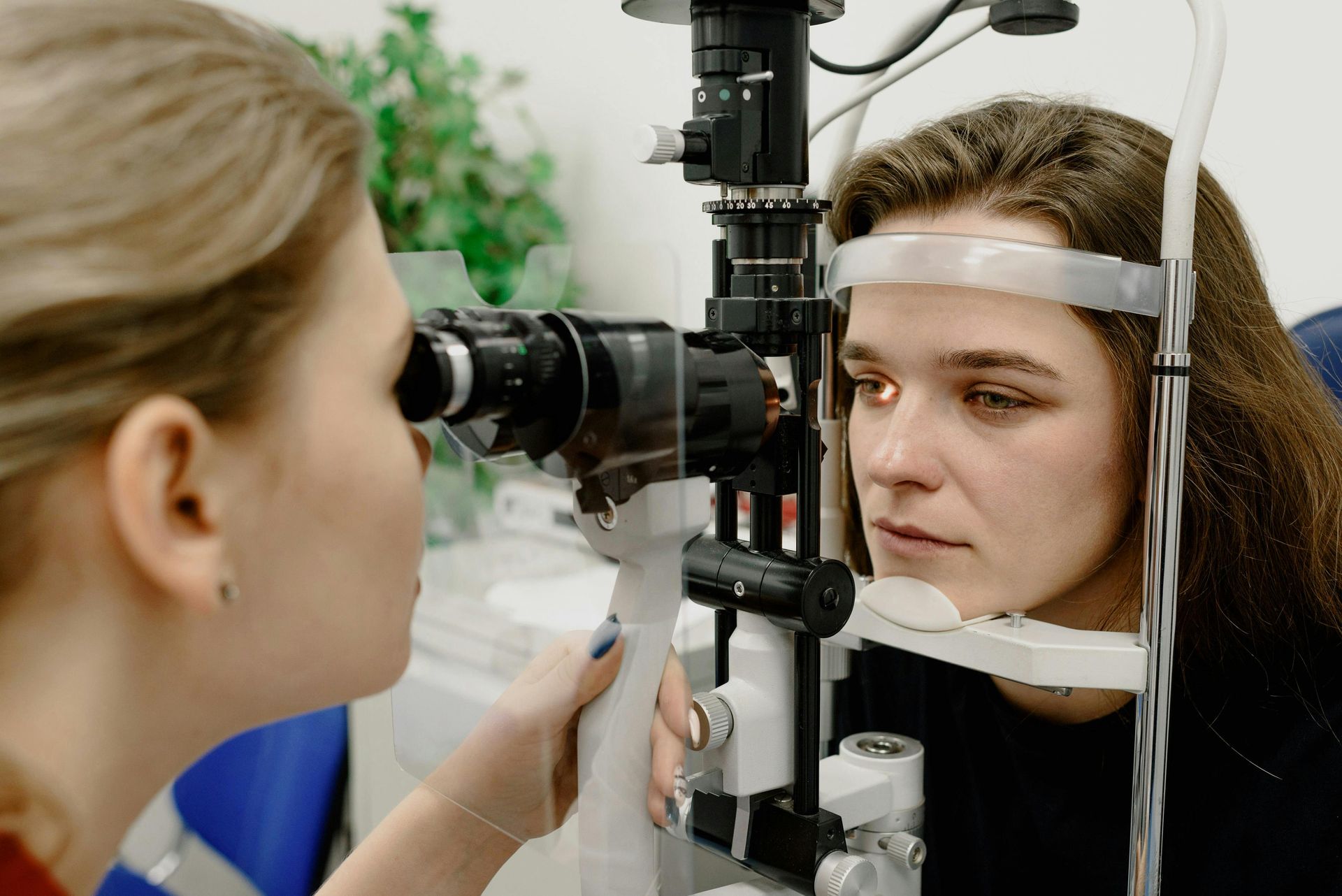
If you’re planning ICL (Implantable Collamer Lens) surgery, understanding the recovery process can help you feel more confident and prepared. Compared to surface laser procedures like LASEK, ICL recovery is generally fast and comfortable — but proper aftercare is still essential.
Here’s a realistic timeline of what happens after lens implant surgery.
Immediately After Surgery (Day 0)
Right after the procedure:
- Vision may already feel clearer
- Mild pressure or foreign body sensation is normal
- Light sensitivity is common
- You’ll use prescribed antibiotic and anti-inflammatory drops
The surgery itself usually takes about 10–15 minutes per eye, and most patients go home the same day.
Important:
- Rest your eyes
- Avoid screens for several hours
- Do not rub your eyes
Day 1: First Post-Op Check
Most clinics schedule a follow-up the next day.
What you may notice:
- Significant improvement in vision
- Mild glare or halos around lights
- Slight redness
- Minimal discomfort
Many patients are surprised at how quickly vision improves — often dramatically within 24 hours.
You can usually:
- Walk around comfortably
- Use your phone briefly
- Perform light daily activities
Avoid:
- Heavy exercise
- Eye rubbing
- Swimming
Days 2–3: Rapid Visual Improvement
By this stage:
- Vision continues to sharpen
- Light sensitivity decreases
- Dryness is usually minimal
- Most daily activities feel normal
Many patients return to work within 2–3 days, depending on their comfort level.
Night halos may still be noticeable but typically improve over time.
Week 1: Stabilization Phase
During the first week:
- Vision becomes more stable
- Mild fluctuations may occur
- Internal healing continues
- Eye pressure is monitored
Most patients feel fully functional at this point.
You can generally:
- Drive (with doctor approval)
- Work on a computer
- Resume normal routines
Continue avoiding:
- Swimming
- Heavy lifting
- Contact sports
Weeks 2–4: Adjustment Period
The eyes adapt to the implanted lens.
You may experience:
- Occasional glare or halos at night
- Minor fluctuations in clarity
- Increasing visual sharpness
These symptoms usually improve as the brain adapts to the new optical system.
By one month:
- Vision is typically very stable
- Daily life feels normal
- Most restrictions are lifted
1–3 Months: Full Adaptation
By this stage:
- Vision reaches its final clarity
- Night vision improves
- The eye fully adapts to the lens
- Follow-up exams confirm long-term stability
ICL provides high-definition vision, especially for patients with high myopia.
Common Questions About ICL Recovery
Is ICL recovery painful?
Most patients report minimal pain — usually just mild pressure or irritation for 1–2 days.
How soon can I fly?
Many patients fly within 3–5 days after surgery, depending on the surgeon’s advice.
When can I exercise?
Light exercise after 1 week.
Heavy workouts and swimming typically after 3–4 weeks.
Will I feel the lens inside my eye?
No. Once positioned correctly, you cannot feel the implanted lens.
Why ICL Recovery Is Different from LASIK or LASEK
Unlike laser surgery:
- The cornea is not reshaped
- No large corneal flap is created
- Dry eye symptoms are usually minimal
- Recovery discomfort is generally lower than surface procedures
However, because ICL is an intraocular procedure, regular follow-up is important to monitor eye pressure and lens positioning.
Signs to Contact Your Doctor
While rare, contact your clinic immediately if you experience:
- Severe eye pain
- Sudden vision loss
- Extreme redness
- Persistent blurred vision
- Intense light sensitivity
Serious complications are uncommon when surgery is performed by experienced surgeons, but early reporting is key.
Final Thoughts
ICL surgery recovery is typically:
- Fast
- Comfortable
- Predictable
- High satisfaction
Most patients experience noticeable vision improvement within 24 hours and return to normal life within a few days.
While the procedure is quick, careful aftercare and follow-up ensure the best long-term visual outcome.