V-Toric ICL Surgery in Gangnam Korea for High Astigmatism
V-Toric ICL Surgery in Gangnam Korea for High Astigmatism
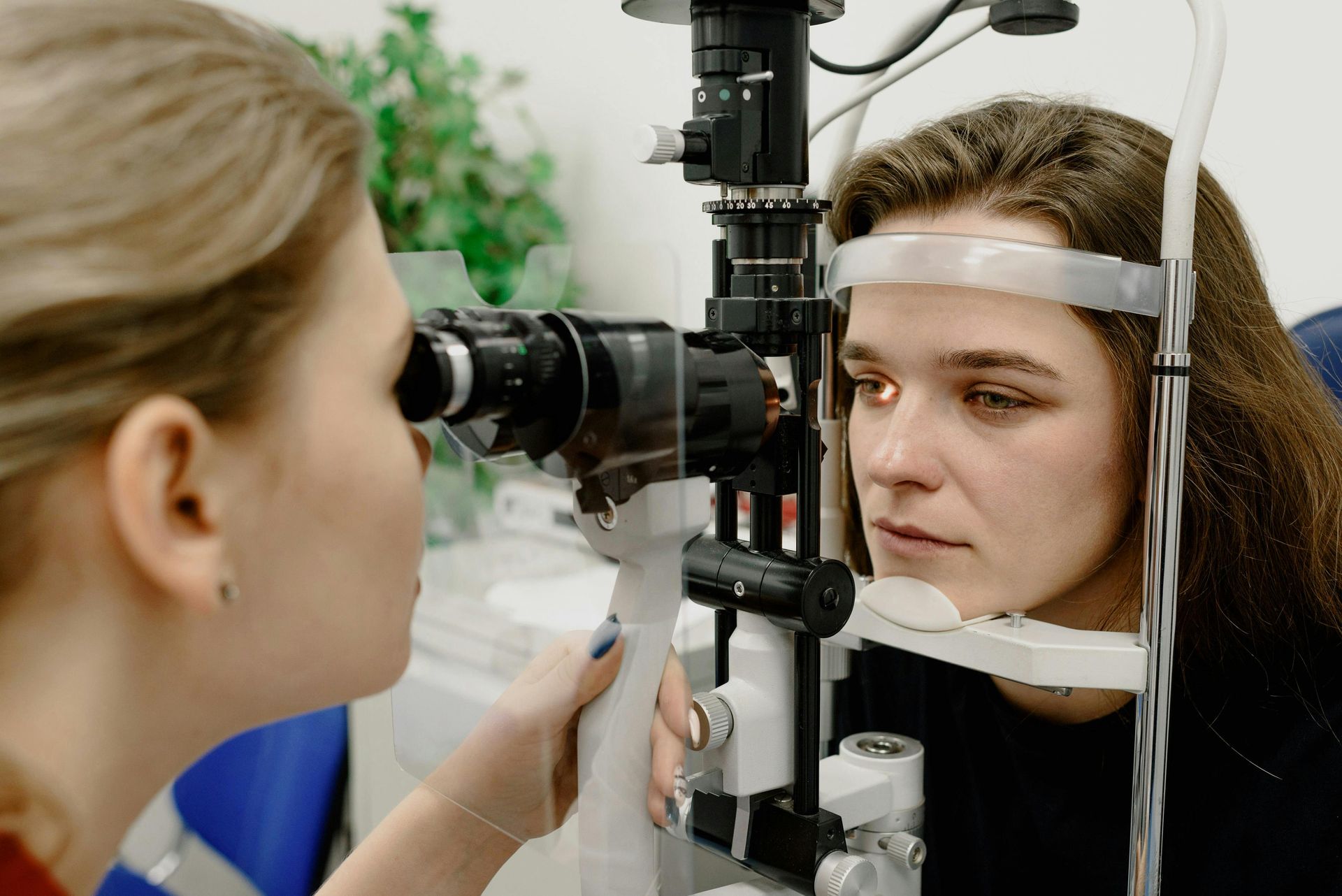
If you have high astigmatism (with or without high myopia) and you’ve been told you may not be an ideal candidate for SMILE, LASIK, or LASEK, V-Toric ICL can be one of the most effective vision correction options available in Gangnam, Seoul.
This guide explains what V-Toric ICL is, who it’s for, how the procedure works, and what recovery looks like — in a clear, patient-friendly way.
What Is V-Toric ICL?
V-Toric ICL is a type of implantable lens designed to correct:
- Myopia (nearsightedness)
- Astigmatism (including higher levels)
Instead of reshaping the cornea like laser surgery, V-Toric ICL places a thin, flexible lens inside the eye, positioned behind the iris and in front of your natural lens.
Key benefits:
- No corneal tissue removal
- Excellent visual quality for strong prescriptions
- Often ideal for thin corneas or dry eye
- Lens is removable or exchangeable
Why V-Toric ICL Is Popular for High Astigmatism
High astigmatism can be challenging for laser correction because it requires precise corneal reshaping and may increase risk of visual symptoms (like glare) in certain eye profiles.
V-Toric ICL is often preferred because it:
- Corrects astigmatism directly with the lens axis alignment
- Preserves corneal strength and shape
- Can deliver crisp vision even in high prescriptions
- Avoids flap creation (LASIK) and surface healing discomfort (LASEK)
For many patients, the biggest advantage is that it provides strong correction without “pushing” the cornea too far.
Who Is a Good Candidate?
V-Toric ICL is commonly recommended if you have:
- High astigmatism
- Moderate to very high myopia
- Thin corneas that limit laser surgery
- Significant dry eye symptoms
- A prescription outside SMILE/LASIK comfort ranges
- A preference for a reversible option
That said, suitability depends on detailed measurements, especially:
- Anterior chamber depth
- Eye pressure
- Corneal endothelial cell health
- Pupil size
- Precise astigmatism axis mapping
How the Procedure Works
Step 1: Detailed Pre-Op Testing
Your clinic will perform comprehensive diagnostics to:
- Confirm safety for an implant procedure
- Select the correct lens size and power
- Determine toric axis alignment for astigmatism correction
Step 2: Surgery Day
- Numbing drops are used (you are awake but comfortable)
- A very small incision is made
- The folded lens is inserted and positioned
- The lens is carefully aligned to match your astigmatism axis
- Typically no stitches are needed
Time required:
- About 10–15 minutes per eye
- Often performed the same day or on consecutive days
Recovery Time: What to Expect
Day 0 (Surgery Day)
- Vision may be clearer within hours
- Mild pressure or irritation is normal
- Light sensitivity may occur
Day 1
- Significant improvement is common
- Clinic checks eye pressure and lens position
- Mild halos at night can happen temporarily
Days 2–7
- Vision stabilizes quickly
- Most patients return to normal routines
- Dryness is usually minimal compared to laser surgery
Weeks 2–4
- Eye adapts to the lens
- Night glare/halos continue improving
- Most restrictions gradually lift
1–3 Months
- Final stability and adaptation
- Follow-up confirms long-term positioning and safety
Common Patient Concerns
Does the lens rotate?
Toric lenses are designed to stay stable, but small rotation can occur early in rare cases. Clinics monitor alignment closely during follow-ups. If significant rotation affects vision, repositioning can be done.
Will I feel the lens?
No — patients do not feel the lens once it is in place.
Is it permanent?
It is long-term, but it is also removable and exchangeable if needed.
Benefits vs Laser Surgery for Astigmatism
V-Toric ICL can be a better choice than SMILE or LASIK/LASEK when:
- Your astigmatism is high
- Your cornea is thin
- Your prescription is strong
- You want premium optical quality
- You want to avoid corneal reshaping
Laser procedures can still be excellent for many patients, but V-Toric ICL is often the “go-to” solution when corneal limits or prescription strength make laser less ideal.
Pricing Expectations in Gangnam
V-Toric ICL is typically priced higher than laser procedures because it includes the cost of a customized implant lens and intraocular surgery planning.
A common planning range:
- Higher than SMILE Pro and LASIK
- Similar to premium implant-based correction pricing
The exact quote depends on:
- Lens type (toric vs non-toric)
- Prescription level
- Included follow-ups and medications
- Clinic service package for international patients
Why Many Patients Choose Gangnam for V-Toric ICL
Gangnam clinics are known for:
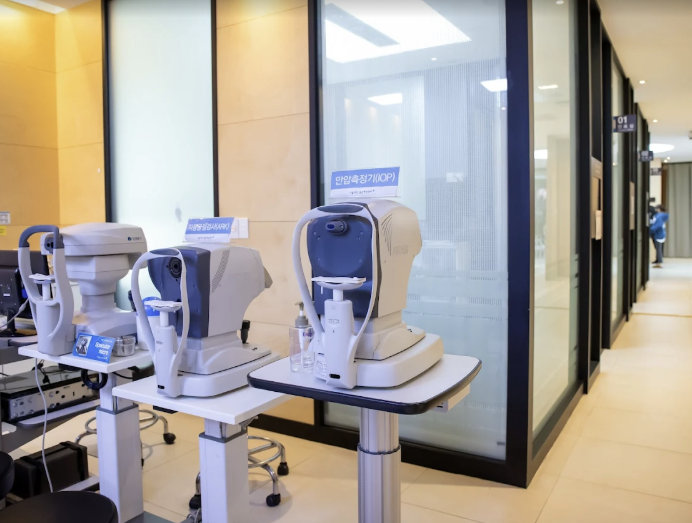
- Advanced diagnostic imaging
- High surgical volume in refractive and lens implant procedures
- International patient coordination
- Efficient scheduling and structured follow-up
For international patients, it’s common to complete consultation, surgery, and early follow-ups within a short stay.
Final Thoughts
V-Toric ICL is an excellent option in Gangnam for patients with high astigmatism, especially if laser surgery is not ideal due to corneal thickness, dry eye, or prescription strength.
If you want:
- Strong correction without corneal reshaping
- High-definition visual quality
- A reversible, future-flexible solution
V-Toric ICL is worth discussing during your eye consultation.