How Much Does SMILE LASIK Cost in Korea?
February 14, 2026

How Much Does SMILE LASIK Cost in Korea?

South Korea is one of the most popular destinations for laser vision correction. With advanced technology, experienced ophthalmologists, and competitive pricing, many foreign patients travel to Seoul for SMILE LASIK surgery each year.


If you are considering vision correction abroad, the first question is simple: How much does SMILE LASIK cost in Korea?


Average SMILE LASIK Cost in Korea

The typical price range for SMILE LASIK in Korea is:

2,000,000 – 3,500,000 KRW
(Approximately
1,500 – 2,600 USD)

The final cost depends on:

  • The clinic’s reputation and location (Gangnam clinics may be higher)
  • Surgeon’s experience
  • Laser equipment (latest Zeiss VisuMax systems, etc.)
  • Pre-operative diagnostic testing
  • Post-operative follow-up care


Compared to the US, UK, or Australia — where SMILE can cost 3,000–5,000 USD per eye — Korea offers significant savings without compromising quality.


What Is Included in the Price?

Most reputable Korean ophthalmology clinics include:

  • Comprehensive eye examination
  • Corneal thickness and topography analysis
  • Surgery fee
  • Post-operative medications
  • 1–2 follow-up visits


Some clinics may charge separately for advanced diagnostic tests or extended follow-up, so always confirm what is included before booking.


Why Is SMILE LASIK More Expensive Than LASEK?

SMILE is a newer, minimally invasive technology that uses a femtosecond laser only. It offers:

  • Faster recovery
  • Less postoperative discomfort
  • Reduced dry eye risk
  • No corneal flap

Because of the advanced equipment and technology, SMILE typically costs more than LASEK in Korea.


For comparison:

LASEK cost in Korea:
1,200,000 – 2,000,000 KRW (900–1,500 USD)


Is Cheaper Always Better?

While Korea is known for affordable vision surgery, choosing the lowest price is not always the safest decision.

When selecting a clinic, consider:

  • Surgeon experience and surgical volume
  • Quality of diagnostic screening
  • Technology used
  • English-speaking support for foreign patients
  • Clear post-operative care plan


Vision correction is a long-term decision. Safety and precision should come before cost alone.


How Long Should Foreign Patients Stay in Korea?

For SMILE LASIK, the recommended stay is:

  • Day 1: Full eye examination
  • Day 2: Surgery
  • Day 3–4: Follow-up check

Minimum stay: 3–4 days

Vision typically improves within 24–48 hours, making SMILE ideal for short medical trips.


Is SMILE LASIK in Korea Worth the Cost?

For many international patients, the answer is yes.

You receive:

  • Advanced laser technology
  • Highly experienced refractive surgeons
  • Competitive global pricing
  • Efficient recovery timeline
  • Foreign patient support services


Many patients combine surgery with a short visit to Seoul, returning home with clearer vision within days.


Final Thoughts

The cost of SMILE LASIK in Korea typically ranges from 2,000,000 to 3,500,000 KRW, offering excellent value compared to Western countries.

However, the best clinic is not defined by price alone — it is defined by safety, technology, and surgical expertise.

At our Korean ophthalmology clinic, we specialize in SMILE LASIK for international patients. We provide detailed eye screening, transparent pricing, and personalized treatment planning to ensure safe and successful results.

Clear vision is an investment — and Korea offers one of the most advanced and cost-effective places in the world to achieve it.
May 13, 2026
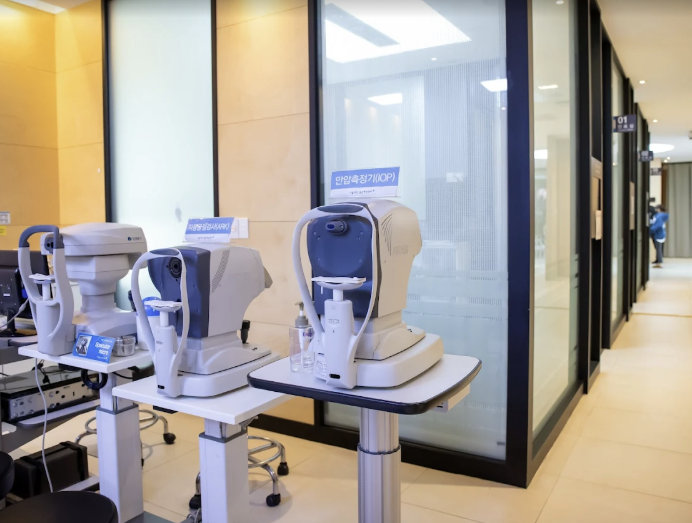
On April 16, 2026, 서울부산 밝은세상안과 was officially selected as one of the first ophthalmology centers to introduce the next-generation premium multifocal intraocular lens, the Clareon® PanOptix® Pro , developed by global eye care company Alcon. As a result, patients at BGSS Eye Clinic in both Seoul and Busan are now able to experience a new level of premium cataract surgery even before the lens becomes officially available nationwide in Korea. 49,000 Cases of Expertise 8,000+ Clareon PanOptix Procedures Performed BGSS Eye Clinic was able to introduce this global next-generation lens ahead of its official release thanks to its extensive clinical experience and outstanding surgical outcomes. Over 49,000 presbyopia and cataract surgeries performed More than 8,000 Clareon PanOptix series lens implantations These extensive clinical data, advanced surgical know-how, and strong global partnerships have been officially recognized, leading to BGSS Eye Clinic being selected as an early adopter center for the next-generation lens platform. Key Advantages of the Next-Generation Multifocal Lens Clareon® PanOptix® Pro Building upon the strengths of the existing PanOptix platform, the new “Pro” model introduces enhanced optical technology with several major improvements. Enhanced Light Efficiency and Improved Resolution The lens achieves a 94% light utilization rate while minimizing intraocular light scatter to approximately 6%. Compared to previous models, contrast sensitivity has improved by approximately 16% , helping patients achieve clearer and sharper vision, particularly in low-light or nighttime environments. Smooth and Natural Continuous Vision The lens is designed to provide seamless vision across: Near vision (40 cm) Intermediate vision (60–120 cm) Distance vision This minimizes interruptions when shifting focus between different distances and significantly reduces dependence on glasses during daily activities and work. Reduced Glare and Halos With the application of the advanced ENLIGHTEN NXT optical technology , the Clareon PanOptix Pro effectively improves nighttime glare and halo phenomena, which have traditionally been considered limitations of multifocal intraocular lenses. Data-Driven Personalized Surgery Comprehensive Dedicated Cataract System Successful cataract surgery begins with precise diagnostics and accurate lens selection tailored to each patient’s unique eye characteristics. BGSS Eye Clinic operates a dedicated presbyopia and cataract team with a fully structured system covering consultation, diagnostics, surgery, and postoperative care. Early Adoption Center for Next-Generation IOLs In addition to the Clareon PanOptix Pro from Alcon, BGSS Eye Clinic is frequently selected as a priority introduction center for newly released premium intraocular lenses from global manufacturers. With extensive experience across a wide variety of lens platforms, the clinic provides highly personalized lens recommendations based on each patient’s lifestyle and ocular condition. Advanced Multi-Cross Precision Diagnostics The clinic utilizes a specialized “responsibility-based diagnostic system” led by optometrists trained in ophthalmic optics. Advanced diagnostic devices include: Argos IOLMaster Galilei Pentacam AB Scan These technologies maximize the precision and accuracy of preoperative measurements. Premium Customized Laser Cataract Center BGSS Eye Clinic operates advanced laser cataract systems including: Catalys Victus Centurion Infiniti Lumera 700 Zepto The clinic also maintains a dual laser cataract system with a total of four surgical laser platforms across Seoul and Busan, creating an optimized surgical environment for premium cataract procedures. Proven Surgical Outcomes 96% Achievement Rate of Target Vision 0.8 or Higher Beyond adopting advanced technologies and premium lenses, BGSS Eye Clinic continuously monitors and analyzes objective postoperative outcomes. Refinement of IOL Constant Values The clinic operates its own internal optimization process by continuously tracking: Target refractive accuracy Visual outcome achievement rates Postoperative error margins This allows the surgical team to further refine intraocular lens constant values and improve precision outcomes. 96% Rate of Achieving Visual Acuity 0.8 or Higher Through strict data-driven management and precision surgical planning, BGSS Eye Clinic continues to maintain an impressive 96% achievement rate of postoperative visual acuity 0.8 or higher following laser-assisted multifocal cataract surgery. BGSS Eye Clinic remains committed to delivering the highest standard of vision correction and patient care through strict safety protocols and the early adoption of the latest ophthalmic technologies.
March 13, 2026
시력교정 수술은 레이저나 렌즈를 이용해 시력을 개선하는 방법입니다. 라식, 라섹, 스마일라식, ICL 등 다양한 방법이 있으며 각 수술마다 특징이 다릅니다. 개인 눈 상태에 따라 적합한 방법을 선택하는 것이 중요합니다.
March 13, 2026
시력교정 수술 종류를 한눈에 비교해보세요. 라식, 라섹, 스마일라식, ICL은 각각 원리와 회복 기간이 다릅니다. 눈 상태와 생활 습관에 따라 적합한 수술이 달라지므로 충분한 상담을 통해 선택하세요.
March 13, 2026
시력교정 수술 전 정밀검사 과정을 확인하세요. 각막 두께, 시력, 안구 건강 상태를 종합적으로 검사합니다. 검사 결과에 따라 수술 가능 여부와 방법이 결정되므로 정확한 진단과 상담이 중요합니다.
March 13, 2026
시력교정 수술이 가능한 나이와 조건을 확인하세요. 일반적으로 성장이 완료된 이후 가능하며 각막 두께와 시력 안정성이 중요합니다. 개인 눈 상태에 따라 수술 여부가 달라지므로 정밀 검사와 상담이 필요합니다.
March 13, 2026
시력교정 수술이 필요한 사람의 특징을 확인하세요. 안경이나 렌즈 착용이 불편하거나 시력 저하로 일상에 불편함이 있는 경우 고려할 수 있습니다. 개인 눈 상태와 생활 패턴에 따라 적합한 수술이 달라집니다.
March 13, 2026
시력교정 수술 후 시력 유지 기간이 궁금하다면 확인하세요. 대부분 장기간 유지되지만 개인의 눈 상태와 생활 습관에 따라 차이가 있습니다. 정기 검진과 관리로 시력 변화를 최소화하고 안정적인 상태를 유지하는 것이 중요합니다.
March 13, 2026
스마일라식과 라식의 회복 기간 차이를 비교해 빠른 일상 복귀 가능 시점을 확인하세요. 스마일라식은 절개 범위가 적어 다음 날부터 활동이 가능하며, 라식은 약 3~5일 회복 기간이 필요합니다. 서울·부산 BGSS Eye Clinic에서 개인 맞춤 시력교정 상담을 제공합니다.
March 13, 2026
라식과 라섹의 비용 차이는 왜 발생할까? 시력교정술 종류별 평균 가격과 수술 방식, 회복 기간, 통증 차이를 함께 비교해 자신에게 맞는 선택 기준을 쉽게 이해할 수 있도록 자세하게 정리했습니다. 개인의 눈 상태에 따라 달라지는 핵심 포인트까지 함께 확인해보세요.
March 13, 2026
바쁜 직장인에게 적합한 시력교정술은 무엇일까? 라식과 스마일라식의 회복 속도, 통증, 업무 복귀 시점과 일상 영향까지 현실적인 기준으로 비교해 최적의 선택을 돕습니다. 개인 눈 상태별 차이까지 자세히 확인할 수 있습니다.