Is SMILE LASIK Safer Than Traditional LASIK?
Is SMILE LASIK Safer Than Traditional LASIK?
Laser vision correction has evolved significantly over the past two decades. Today, many patients choosing vision surgery in Korea ask an important question:
Is SMILE LASIK safer than traditional LASIK?
Both procedures are safe and widely performed worldwide. However, they differ in surgical technique, recovery, and potential side effects. Understanding these differences can help you make an informed decision — especially if you are traveling to Korea for vision correction.
What Is Traditional LASIK?
Traditional LASIK involves creating a thin corneal flap using either a microkeratome blade or a femtosecond laser. The flap is lifted, the cornea is reshaped with an excimer laser, and the flap is repositioned.
Advantages of LASIK:
- Fast visual recovery
- Minimal discomfort
- Long track record with millions of procedures performed
However, because a flap is created, there are rare flap-related risks such as displacement or wrinkles.
What Is SMILE LASIK?
SMILE (Small Incision Lenticule Extraction) is a newer, minimally invasive laser procedure.
Instead of creating a flap, a femtosecond laser forms a small lenticule inside the cornea, which is removed through a tiny 2–4 mm incision.
Key advantages of SMILE:
- No large corneal flap
- Smaller incision
- Less disruption to corneal nerves
- Lower risk of dry eye symptoms
Is SMILE LASIK Safer?
Both procedures are considered very safe when performed by experienced ophthalmologists. However, SMILE offers certain safety advantages:
1. No Flap-Related Complications
Because SMILE does not create a flap, there is no risk of flap displacement after surgery. This can be especially beneficial for athletes or individuals with active lifestyles.
2. Lower Dry Eye Risk
SMILE preserves more corneal nerves compared to traditional LASIK. This often results in fewer dry eye symptoms after surgery.
3. Stronger Corneal Structure
With no flap creation, more of the cornea’s structural integrity remains intact.
That said, traditional LASIK has been performed safely for decades and remains an excellent option for many patients.
When Traditional LASIK May Be Better
SMILE is not suitable for every patient. Traditional LASIK may be preferred if:
- You have high astigmatism
- Your corneal shape requires customized wavefront treatment
- You are not a candidate for SMILE based on corneal thickness or prescription
A comprehensive eye examination is essential to determine the safest option for your eyes.
Safety of Vision Surgery in Korea
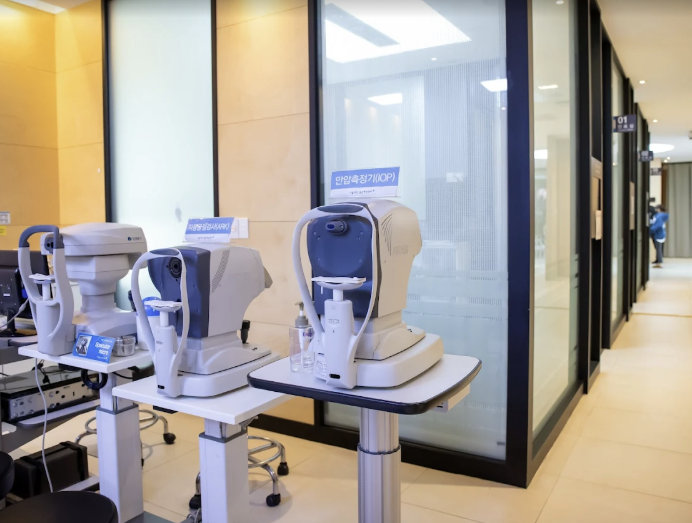
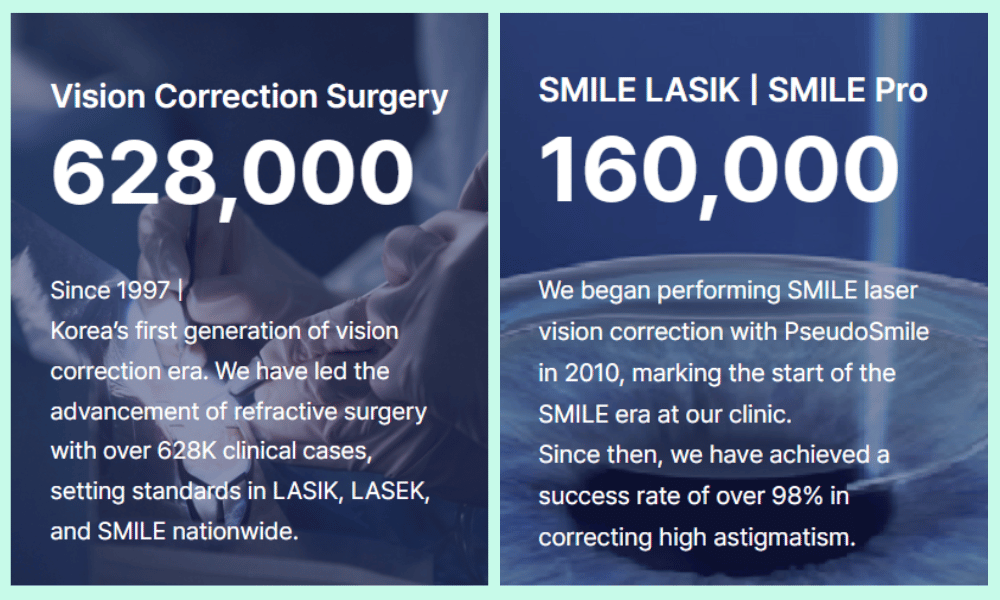
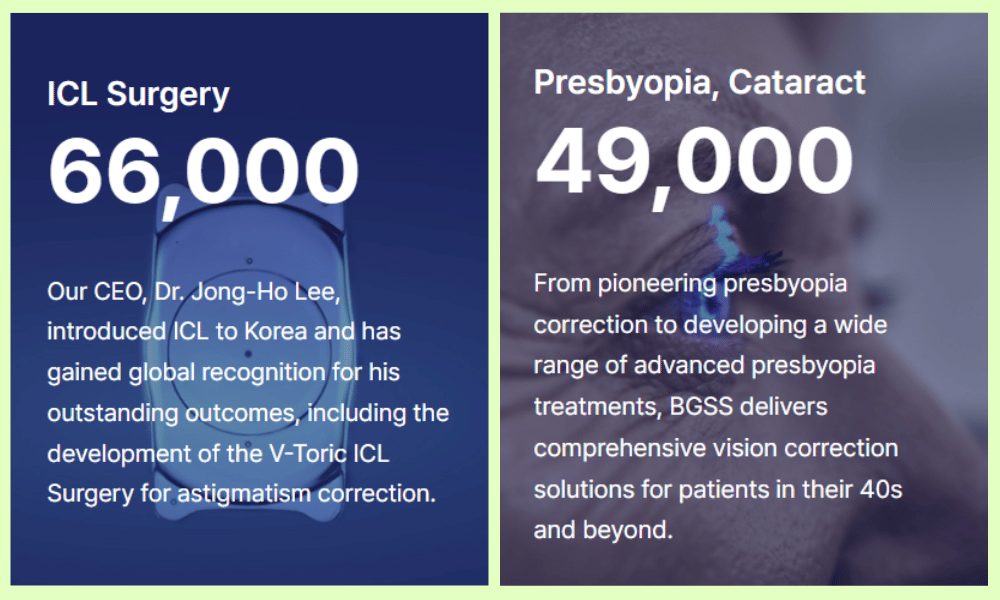
Korean ophthalmology clinics are known for advanced laser platforms and strict diagnostic screening systems. Surgeons often perform thousands of refractive procedures annually.
Reputable clinics provide:
- Detailed corneal mapping and tear film analysis
- Personalized surgical planning
- English-language consultation for international patients
- Structured post-operative follow-up
Both SMILE and LASIK are highly safe when proper screening and surgical expertise are prioritized.
Recovery Comparison
SMILE LASIK:
- Minimal discomfort
- Vision improves within 1–2 days
- Lower dry eye incidence
Traditional LASIK:
- Very fast visual recovery (often next day)
- Slightly higher chance of temporary dryness
- Flap precautions during early healing
Both procedures typically require a 3–4 day stay in Korea for foreign patients.
Final Verdict: Which Is Safer?
SMILE LASIK is considered safer in terms of flap-related risks and postoperative dryness. However, traditional LASIK remains extremely safe with a long, proven track record.
The safest procedure is not determined by popularity — it is determined by:
- Your corneal thickness
- Your prescription
- Tear film condition
- Lifestyle needs
- Detailed diagnostic results
At our Korean ophthalmology clinic, we specialize in advanced laser vision correction for international patients. Through comprehensive screening and personalized consultation, we recommend the safest and most effective procedure for your eyes.
Clear vision is not just about technology — it is about choosing the right surgery for you.